By
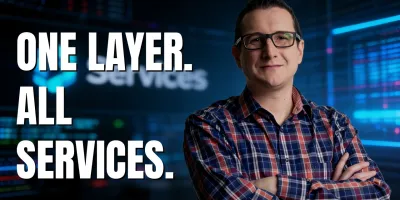
By Trace Machina’s open source project NativeLink aims to support engineers working with AI at the edge by providing tools and infrastructure to address the unique demands of these systems. In this show, Marcus Eagan, CEO & Co-Founder at Trace Machina, discusses the challenges for companies working with these technologies and how NativeLink is helping to address these challenges.
Eagan goes on to explain why they decided to open source the project, the benefits of this approach, and their vision for the project. “NativeLink is the first product that we’ve offered to the market that really supercharges the engineers working on autonomous robotic systems on edge,” says Eagan.
How Trace Machina is helping companies develop autonomous robots and smart machines
- Eagan discusses the company’s mission to build tools and infrastructure for companies developing autonomous robots and smart machines.
- Eagan explains that autonomous robotic systems, such as self-driving cars, are essentially supercomputers, which coordinate various systems without human intervention.
- Trace Machina’s first product, NativeLink, is designed to support engineers working with AI at the edge by providing crucial tools and infrastructure to address the unique demands of these systems.
Why Trace Machina chose to open source NativeLink
- Companies like Samsung and CIQ utilize Linux distributions to enhance their efficiency in device production and evaluation. Eagan explains how this approach helps them streamline their processes and better manage their technology stacks.
- Eagan emphasizes that NativeLink, as an open-source project, offers significant benefits by allowing companies to operate their systems with minimal concern about the underlying infrastructure. This enables them to focus on innovation.
- NativeLink was developed as an open-source project to ensure that companies have continued access to and control over their systems, regardless of Trace Machina’s future.
The impact of open-source software on Trace Machina and the wider tech industry
- Eagan underscores that his career and the success of Trace Machina have been deeply influenced by open-source projects, highlighting how open source has empowered him and many others in the tech industry.
- Community contributions are crucial for the success of open-source projects, and Eagan notes that they help solve real-world problems and improve the technology, including in the autonomous vehicle sector.
- Eagan explains that new tools, like those provided by Trace Machina, can significantly reduce costs and increase efficiency in complex processes, drawing a parallel to how Henry Ford’s assembly line made automobile production more economical.
How NativeLink supports engineers working on complex systems
- Eagan explains that NativeLink supports engineers working on complex systems like autonomous vehicles and robots by offering features such as remote execution and caching, which streamline development and enhance efficiency.
- Eagan highlights the importance of remote work execution and reproducibility in AI development, emphasizing that these features enable developers to run experiments and replicate results consistently, regardless of their physical location.
- Eagan notes that engineers can use Trace Machina’s tools to conduct tests on simulated hardware, which helps prevent disruptions and potential issues in actual production systems.
What is Trace Machina’s vision for the project?
- Eagan shares Trace Machina’s vision to leverage open-source AI technologies to make a positive impact on global quality of life, emphasizing their commitment to widespread benefits.
- The company’s open source project prioritizes stability and energy efficiency, recognizing these factors as critical for the reliable and sustainable operation of AI systems.
- Eagan describes the project’s goal as sparking an “aha moment” for developers, which can inspire innovation and advance human progress on a larger scale.
Guest: Marcus Eagan (LinkedIn)
Company: Trace Machina (Twitter)
Show: Let’s Talk
This summary was written by Emily Nicholls.